The Complete 2026 Guide to Finding a Reliable, Affordable Local Plumber
When a pipe bursts at 2 a.m. or your water heater dies mid‑shower, the phrase “plumbers near me” becomes the most important search you’ll make all year. But with so many listings, ads, and conflicting reviews, how do you actually choose the right professional—quickly, safely, and at a fair price? This comprehensive, plumbing services guide explains everything you need to know, from the must‑ask questions and red flags to accurate cost expectations and maintenance strategies that prevent repeat emergencies. Use it as your playbook to hire smarter, spend less, and keep your home’s plumbing running like clockwork.
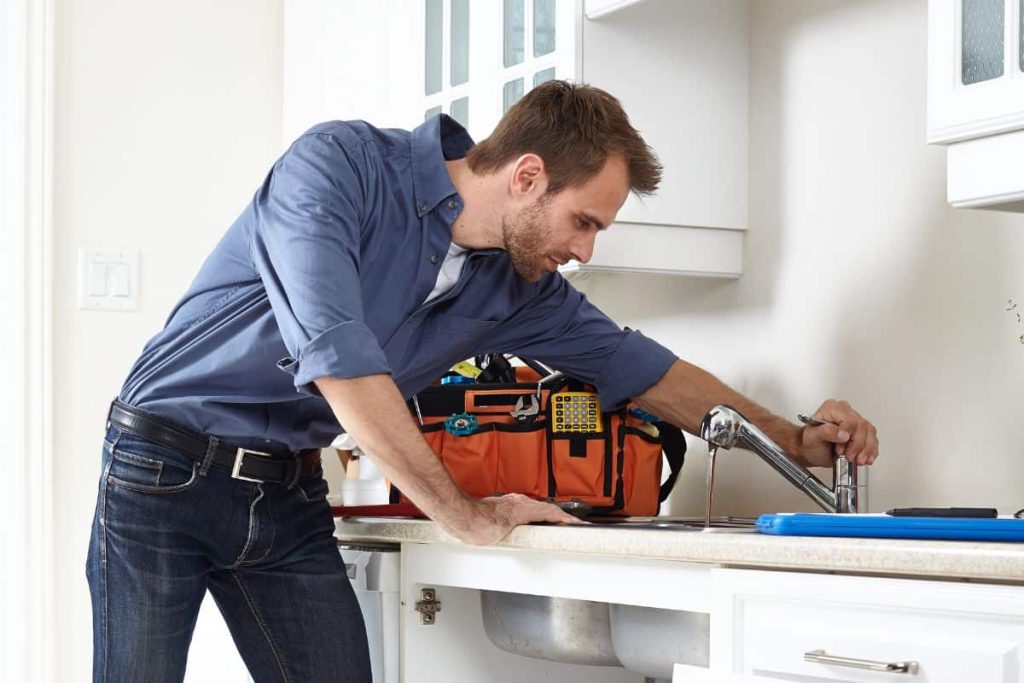
Why “Plumbers Near Me” Matters More Than You Think
Local proximity isn’t just about convenience. Choosing a local plumber near me can mean:
- Faster response times: Less travel means quicker arrivals during emergencies.
- Familiarity with local codes: Regional licensing, building codes, and inspection practices vary; locals know the nuances.
- Accountability: A nearby plumber relies on reputation in your community and is more likely to stand behind their work.
- Better follow‑up: If adjustments are needed after the initial visit, local teams can swing by without long delays.
The Plumbing Services You’re Most Likely to Need
Before you screen providers, clarify the type of service you need:
- Emergency leak and burst‑pipe repairs
- Drain cleaning and sewer line clearing (snaking, hydro jetting)
- Water heater repair or replacement (tank and tankless)
- Fixture installations (toilets, faucets, shower valves)
- Pipe upgrades (copper, PEX repipes, corrosion mitigation)
- Backflow testing and prevention
- Water quality solutions (filtration, softeners)
- Bathroom and kitchen remodel rough‑in and finish plumbing
If you’re unsure, a good local plumber will triage your symptoms over the phone and suggest the right diagnostic visit.
How to Shortlist Plumbers Near You in 10 Minutes
Use this quick workflow:
- Search “plumbers near me” + your neighborhood to generate a local pool.
- Scan service scope on their profiles or listings—confirm they do the work you need.
- Check operating hours for emergency availability (24/7 or after‑hours surcharge policies).
- Skim recent reviews for response speed, cleanliness, and price transparency.
- Call three firms; note who answers quickly and asks intelligent questions about your issue.
Pro tip: When they pick up, a professional dispatcher will ask for water shutoff status, the age of fixtures, and whether any prior repairs were done. That’s a positive sign.
25 Tips and Guides for Choosing the Right Plumber Services
Below is your definitive checklist—save it and use it every time.
Licensing, Insurance, and Credentials
- Verify licensing. Ask for a license number and the license class (journeyman/master). Unlicensed work risks code violations and insurance problems.
- Confirm insurance. Require active general liability and workers’ compensation. Request proof—don’t just accept a verbal “yes.”
- Ask about permits. For water heater swaps, repipes, and sewer work, a reputable plumber explains when permits and inspections are required.
- Look for brand certifications. Training badges from water heater and fixture manufacturers show familiarity with specific models.
- Background checks. Many established companies run checks and drug screenings—ask about their hiring standards.
Experience and Specialization
- Match expertise to your job. Not every plumber does trenchless sewer lining, tankless water heaters, or commercial grease lines.
- Request recent, relevant references. A three‑line testimonial is fine; recent is better than old.
- Assess diagnostic skill. Listen for how they plan to isolate the problem (pressure tests, camera inspections, dye tests).
Estimates and Pricing Clarity
- Ask for a written, line‑item estimate. It should separate labor, materials, permits, and trip/diagnostic fees.
- Understand pricing model. Time‑and‑materials vs flat‑rate pricing have pros and cons; request a not‑to‑exceed figure for safety.
- Clarify after‑hours premiums. Typical emergency premiums apply at night, weekends, and holidays—ask the multiple rates before dispatch.
- Compare warranty terms. Separate warranties for parts and labor; understand what voids coverage (e.g., owner‑supplied fixtures).
- Ask about service fees. Some firms waive diagnostic fees if you proceed with the repair—confirm in writing.
Scheduling and Communication
- Insist on a realistic arrival window. Two‑hour windows are industry‑standard; you should receive a “tech en route” message or call.
- Expect pre‑visit instructions. A pro may advise shutting the main valve or safely killing power to the heater to prevent damage.
- Request technician profile. Many companies send the tech’s name and photo for safety and recognition.
On‑Site Professionalism
- Observe protective measures. Shoe covers, drop cloths, and cleanup are basics—note attention to your floors and cabinets.
- Demand root‑cause diagnosis. Good plumbers explain not only the fix but why it failed (pressure, water chemistry, age).
- Approve change orders. If scope expands, you should sign updated pricing before work continues—no surprises later.
- Ensure code‑compliant parts. Look for rated valves, venting, and expansion tanks where required; reject off‑brand or mismatched components.
Payment and Documentation
- Avoid large upfront payments. Small deposits are normal for special‑order equipment; full payment up front is a red flag.
- Get a detailed invoice. Include model numbers, materials used, labor hours, and test results (e.g., gas pressure, T&P valve).
- Collect permit and inspection paperwork. Keep these with your home records for insurance and resale.
Aftercare and Long‑Term Value
- Confirm warranty process. Ask how to file a claim and typical turnaround for warranty callbacks.
- Ask for maintenance tips. A great plumber will leave you with pressure settings, filter change schedules, and shutoff locations labeled.
Red Flags That Signal “Keep Searching”
- Vague or cash‑only quotes with no paperwork
- No license number on vehicles, invoices, or business cards
- Pushy upselling before any diagnostic work is done
- Refusal to discuss permits or code compliance
- No physical address or local presence (only a call center)
- Unwillingness to provide references or insurance proof
If you encounter two or more of the above, move on.
What Does a Plumber Cost? Setting Realistic Expectations
While prices vary by city and complexity, you can anticipate the following ranges to help compare quotes more objectively:
- Service call / diagnostic: Typically a modest flat fee that may be credited toward the repair if you proceed.
- Minor repairs (leaky traps, simple valve swaps): Usually a few hundred depending on parts and access.
- Clogs and drain cleaning: Price depends on the line size, distance cleared, and whether a camera inspection is included.
- Water heater repair: Thermostats, elements, or igniters typically cost less than full replacement.
- Water heater replacement: Varies by tank size, fuel type, venting, earthquake straps, and expansion tank requirements.
- Sewer line repairs: Highly variable—spot repairs vs trenchless lining vs full replacement; camera inspections help avoid guesswork.
Always insist on a written estimate that explains labor, materials, and any potential extras (e.g., drywall repair, permits, hauling/disposal).
DIY vs. Pro: Know the Cutoff
It’s fine to tighten a loose supply line or replace a faucet aerator. But call a professional plumber when you notice:
- Brown water, low pressure, or water hammer (possible pipe issues)
- Backed‑up fixtures (especially if multiple drains are affected—could be a main line)
- Gas smell or water heater exhaust concerns (safety risk; shut down and ventilate)
- Recurring clogs (may need camera inspection to find breaks or roots)
- Active leaks inside walls or ceilings (risk of structural damage and mold)
A good rule: if you must open walls, touch gas lines, move venting, or modify main drains, hire a pro.
How to Prepare for Your Plumber’s Visit (and Save Money)
- Shut off water at the nearest isolation valve or the main if necessary.
- Clear the work area under sinks or around the heater; time saved equals money saved.
- Photograph the issue and any damage for your records and insurance.
- List all symptoms and noises (when they happen, what fixtures are affected) so the tech can diagnose faster.
- Ask about owner‑supplied fixtures before you buy them—some companies reduce warranties if they don’t supply parts.
Preventive Maintenance: Stop Emergencies Before They Start
- Annual water heater service: Flush tank models to reduce sediment; descale tankless units; test T&P valves.
- Pressure regulation: Keep household pressure around the manufacturer’s recommended range; a failed PRV (pressure‑reducing valve) shortens fixture life.
- Proactive hose and valve checks: Replace brittle washing machine hoses with braided stainless; test shutoffs twice per year.
- Drain hygiene: Use strainers; avoid pouring fats, oils, and coffee grounds; schedule preventive snaking for older homes.
- Water quality conditioning: Hard water creates scale—consider softening or treatment to protect heaters and fixtures.
- Label everything: Main shutoff, appliance valves, and hose bibbs—so anyone at home can act fast during a leak.
What a Professional Visit Should Look Like: Start to Finish
- Arrival and assessment: The plumber confirms the problem, explains diagnostic steps, and protects the work area.
- Diagnosis and options: You receive findings with at least two solutions (repair vs replace), timelines, and estimates.
- Approval and work: You approve the scope in writing; the tech proceeds and updates you on any discoveries.
- Testing and cleanup: Lines are pressure‑tested, drains are flow‑tested, and the area is cleaned.
- Handover: You receive a walkthrough, maintenance tips, invoice, and warranty details.
- Follow‑up: A reputable company checks in after major jobs to ensure everything’s working properly.
FAQs When Searching “Plumbers Near Me”
Q: Can I get same‑day service?
A: Many local plumbers keep emergency slots open daily. Call early and describe the issue clearly to secure a window.
Q: Are phone quotes reliable?
A: For straightforward tasks, rough ranges are fine. Complex issues need on‑site diagnostics to avoid inaccurate pricing.
Q: Should I buy my own fixtures to save money?
A: You might save upfront, but confirm warranty impacts and compatibility. Plumbers often supply parts they trust and can warranty.
Q: How do I compare two very different quotes?
A: Line up the scope: materials brand/grade, warranty terms, permit inclusion, and necessary wall repair. Cheaper isn’t cheaper if it omits essentials.
Q: What if the plumber finds more damage after opening walls?
A: Request photos and an updated estimate. Approve a written change order before additional work proceeds.
The Bottom Line
When you’re in a bind and searching “plumbers near me” or handyman services, speed matters—but so does due diligence. Vet licensing and insurance, insist on line‑item estimates, and pick a specialist who can clearly explain the root cause and the fix. Keep this guide handy as your checklist. With the right local professional on your side, you’ll gain more than a quick repair—you’ll gain a long‑term partner who protects your home, your budget, and your peace of mind.