The Complete 2026 Guide for Homeowners and Businesses
If you’re searching for reliable information on electrical work, you’re likely planning a renovation, solving an electrical issue, or exploring professional services for your home or business. In today’s fast‑paced digital world, electrical systems are the core of comfort, safety, and efficiency — and choosing the right solutions or professionals can save you money, prevent hazards, and ensure long‑term reliability.
This 1000‑word, SEO‑optimized guide is designed to help homeowners, business owners, and renovation planners understand the full scope of electrical work and what to expect when hiring a certified electrician. Packed with practical insights and a full list of electrical work types, this article is crafted for ranking highly on Google while remaining easy to read and extremely helpful.
What Is Electrical Work?
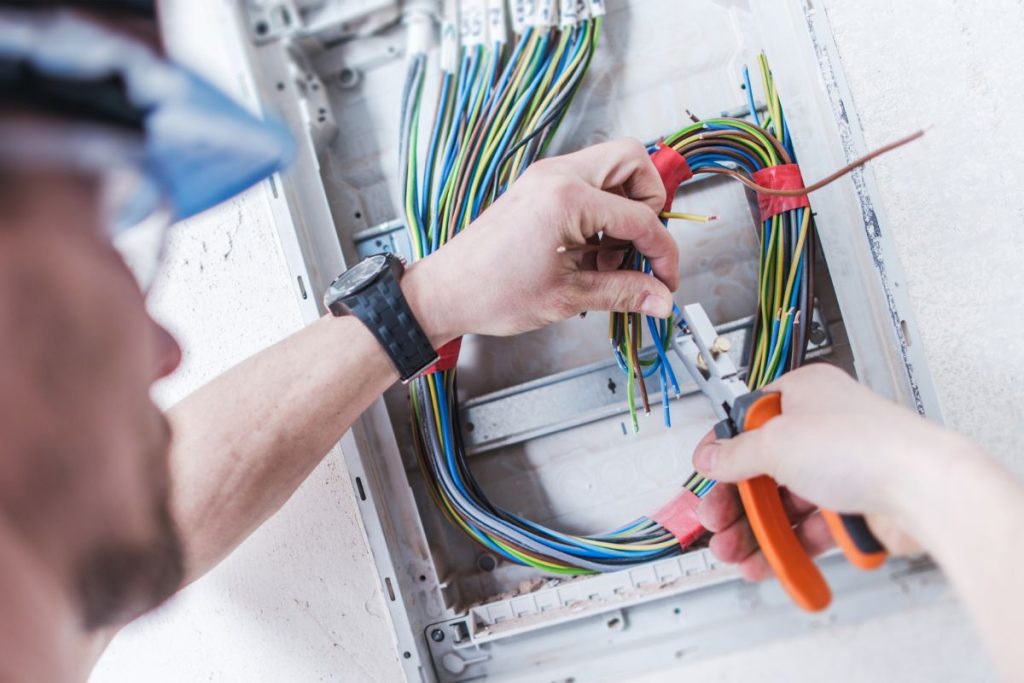
Electrical work refers to any task involving the installation, repair, maintenance, or inspection of electrical systems. This includes wiring, power distribution, lighting, appliances, safety components, and structured cabling.
Whether it’s a minor outlet replacement or a full building rewiring project, electrical work must be handled by trained, certified electricians. Incorrect installations can lead to electrical fires, equipment damage, electrocution risks, and long‑term system failures.
Why Professional Electrical Work Matters
When it comes to electricity, safety is non‑negotiable. Hiring a qualified electrician ensures:
1. Compliance With Safety Standards
Certified electricians follow national and local electrical codes, ensuring your system is safe and meets legal requirements.
2. Long‑Term Cost Savings
Proper installation and high‑quality components significantly reduce the chances of breakdowns and expensive repairs.
3. Prevention of Fire Hazards
Faulty wiring is one of the leading causes of household fires. Professional work eliminates these risks.
4. Insurance Protection
Many insurance claims are denied if electrical work was performed by unlicensed individuals.
5. Reliable System Performance
Whether it’s your lighting, appliances, or office equipment, everything works better when powered by a stable electrical system.
Types of Electrical Work (Full List)
Here is a comprehensive list of electrical work categories — from basic residential tasks to advanced commercial and industrial services.
1. Electrical Installation Work
Includes all types of new wiring and system setup such as:
- House rewiring
- New circuit installation
- Power socket installation
- Light point installation
- Ceiling fan wiring
- Exhaust fan wiring
- Smart home wiring
2. Electrical Repair Work
Covers all types of electrical troubleshooting and fixes:
- Repairing tripping circuits
- Fixing power outages
- Repairing burnt wires
- Replacing faulty sockets
- Fixing broken switches
- Troubleshooting appliances
- Restoring power to rooms or buildings
3. Lighting Installation and Upgrades
Lighting is both functional and aesthetic. Services include:
- LED lighting installation
- Downlight installation
- Garden and landscape lighting
- Security sensor lights
- Decorative lighting
- Fluorescent light replacement
4. Switches, Sockets, and Power Point Work
Power accessibility is crucial. This includes:
- Installing extra power points
- Upgrading old switches
- Repairing loose sockets
- Installing USB power outlets
- High‑load socket installation for appliances
5. Electrical Panel and DB (Distribution Board) Work
The DB is the heart of your electrical system:
- New DB installation
- Fuse and breaker replacement
- Three‑phase supply upgrades
- Load balancing
- Surge protection device installation
- Safety switch installation
6. Air‑Conditioner Electrical Work
Support for major AC units:
- AC point installation
- Isolator switch installation
- Wiring for split unit AC
- AC power troubleshooting
7. Water Heater Electrical Work
Ensures safe hot‑water usage:
- Water heater wiring
- Instant heater installation
- Storage heater installation
- Heater troubleshooting
8. Fan Wiring and Installation
Includes ceiling fans, wall fans, and ventilation fans:
- Ceiling fan installation
- Wall fan point installation
- Ventilation fan wiring
9. Structured Cabling and Network‑Related Electrical Work
Modern homes and offices need data support:
- LAN cable installation
- CCTV wiring
- Smart home system wiring
- Router placement and cabling
10. Industrial and Commercial Electrical Work
For factories, offices, and retail spaces:
- Three‑phase wiring
- Heavy‑duty equipment wiring
- Conveyor system electrical setup
- Industrial lighting
- Machinery troubleshooting
- Emergency power cut‑off systems
11. Electrical Safety Device Installation
Protecting your building and occupants:
- Smoke detector installation
- Surge protectors
- Earth leakage circuit breakers
- Fire alarm electrical wiring
12. Emergency Electrical Services
24/7 response tasks:
- Total blackout recovery
- Fuse blowouts
- Tripping breakers
- Burning smell from DB
- Urgent rewiring due to hazards
How to Choose the Right Electrician: Tips and Guidelines
Choosing an electrician is just as important as the electrical work itself. Here are practical steps to help you make the right decision.
1. Check Licensing and Certification
Always ensure the electrician holds a valid license. This guarantees they’re trained and follow electrical codes.
2. Look for Experience in the Specific Task
Electrical work varies widely; a technician skilled in AC wiring may not specialize in rewiring old homes. Match expertise to your job.
3. Ask for a Detailed Quotation
A transparent price estimate avoids hidden charges. It should include:
- Labor cost
- Material cost
- Breakdown of services
- Warranty details
4. Ask About Emergency Availability
Electrical emergencies don’t wait. It’s helpful to choose a service provider that offers:
- Same‑day service
- 24/7 hotline
- Fast response times
5. Review Past Customer Experiences
Look for patterns in reviews:
- Are customers happy with their workmanship?
- Is the electrician punctual?
- Do they clean up after work?
6. Ensure They Provide Warranty
Reliable electricians stand behind their work. A warranty adds peace of mind and accountability.
7. Compare Value, Not Just Price
Cheapest is not always best. Consider:
- Safety quality
- Component durability
- Professional guarantee
- Workmanship standards
8. Ask About Safety Procedures
The electrician should follow safety protocols:
- Using proper tools
- Isolating live wires
- Testing circuits before leaving
9. Check Insurance Coverage
A good electrician should have liability insurance to protect your property in case of accidental damage.
10. Confirm Timelines
Avoid delays by asking:
- Estimated job duration
- Scheduling availability
- Possible downtime related to your electrical supply
Signs You Need Professional Electrical Work Immediately
Never ignore these warning signs:
- Frequent power trips
- Flickering lights
- Burning smell from outlets
- Hot switches or sockets
- Buzzing sounds
- Dark scorch marks
- Old wiring (more than 20 years)
These symptoms indicate potentially dangerous electrical faults.
Conclusion
Electrical work is a crucial part of every home, office, and industrial building. Whether you’re planning an upgrade, fixing a malfunction, or installing new systems, understanding the full scope of electrical services helps you make informed decisions. Always prioritize professional electricians who are licensed, experienced, and committed to safety.
With the right knowledge and the right electrician, your electrical systems will be safer, more efficient, and built to last.