Waterproofing is a process of making a surface or structure resistant to water or moisture. It’s an essential step in the construction and maintenance of buildings, bridges, roads, and other infrastructure. Without proper waterproofing, water can seep into a structure, causing damage, decay, and mold growth.
In this article, we’ll explore the basics of waterproofing and why it’s so important.
What Is Waterproofing?
Waterproofing is the process of applying a waterproof material or coating to a surface or structure to prevent water or moisture from entering. It’s typically done during the construction or renovation of a building, but can also be done as part of routine maintenance.
There are several types of waterproofing materials and techniques, including:
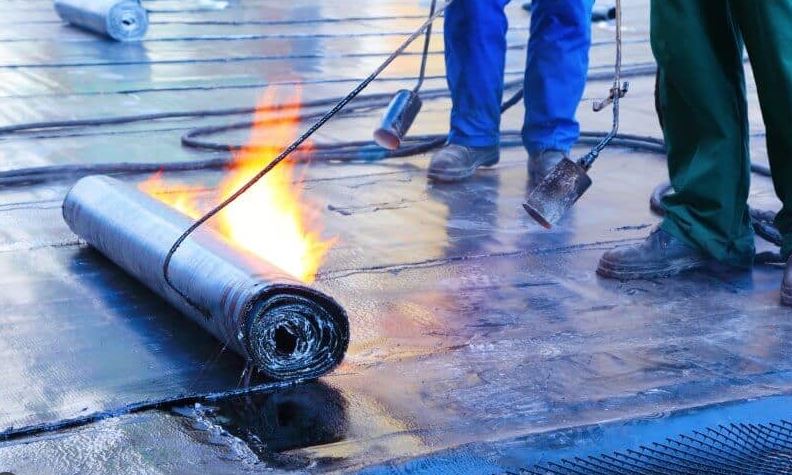
- Membrane waterproofing: This involves applying a waterproof membrane to the surface or structure to create a barrier against water.
- Cementitious waterproofing: This involves adding a waterproofing admixture to concrete or mortar to create a water-resistant barrier.
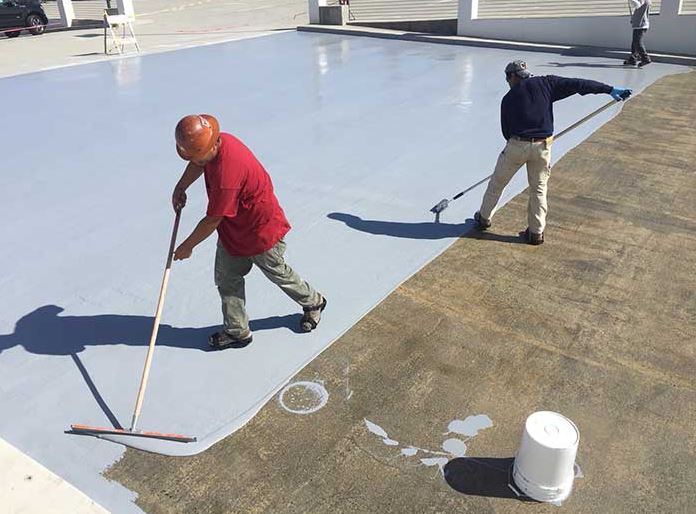
- Liquid waterproofing: This involves applying a liquid coating to the surface or structure to create a waterproof seal.
Why Is Waterproofing Important?
Waterproofing is important for several reasons:
- Prevents water damage: Water can cause significant damage to buildings, including mold growth, structural damage, and deterioration of materials. Waterproofing helps prevent water from seeping into a structure and causing damage.
- Increases the lifespan of the structure: Waterproofing can help increase the lifespan of a building or structure by protecting it from water damage and decay.
- Saves money: Repairing water damage can be costly. By waterproofing a structure, you can prevent the need for expensive repairs down the line.
- Improves indoor air quality: Water damage can lead to mold growth, which can negatively impact indoor air quality and cause health problems. Waterproofing helps prevent mold growth and improves indoor air quality.
- Enhances energy efficiency: Water damage can also impact the energy efficiency of a building. By preventing water damage, you can help ensure that a building is as energy-efficient as possible.
Conclusion
In conclusion, waterproofing is an essential step in the construction and maintenance of buildings and other infrastructure. It helps prevent water damage, increases the lifespan of a structure, saves money, improves indoor air quality, and enhances energy efficiency. If you’re constructing or renovating a building, be sure to invest in proper waterproofing to protect your investment for years to come.